If you or someone you love has been diagnosed with a severe skin reaction, you may be trying to make sense of two confusing terms at a frightening time. Understanding SJS vs. TEN is a common source of worry for the families we talk with, and you deserve clear answers. We see you, and we are here to help you understand what these words mean for your health and your future.
SJS and TEN, short for Stevens-Johnson syndrome and toxic epidermal necrolysis, describe the same underlying condition at different levels of severity. Below, we explain what sets them apart, what usually causes them, how they are treated, and what long-term effects survivors can face. We also cover the legal options that may be available when a medication was to blame.
What's the Difference Between SJS and TEN?
SJS and TEN are two stages of the same rare, serious skin reaction, and the main difference is how much of the skin is affected. Doctors call it Stevens-Johnson syndrome (SJS) when less than 10% of the body's skin surface peels away, and toxic epidermal necrolysis (TEN) when more than 30% is involved.
- SJS: less than 10% of the skin surface affected.
- SJS/TEN overlap: 10% to 30% of the skin surface affected.
- TEN: more than 30% affected, and the most serious form.
Both are medical emergencies, and both are most often triggered by a medication.
Key Takeaways about the Difference Between Stevens-Johnson Syndrome and Toxic Necrolysis
- SJS and TEN sit on one disease spectrum, separated mainly by how much skin is affected.
- Stevens-Johnson syndrome involves less than 10% of the body's skin, while toxic epidermal necrolysis involves more than 30%.
- Medications are the most common trigger for both conditions.
- Treatment often takes place in a hospital burn unit or intensive care unit.
- Survivors can face long-term physical and emotional effects, along with significant medical costs.
- When a drug maker or pharmacy failed to warn about known risks, a legal claim may help recover related expenses.
What Is the SJS/TEN Spectrum?
The SJS/TEN spectrum is one continuous condition that doctors sort by how much of the skin peels away. When people compare SJS vs. TEN, this single measurement is usually the heart of the question.
For many years, Stevens-Johnson syndrome and toxic epidermal necrolysis were treated as separate illnesses. Today, federal health sources describe them as two ends of the same continuum of drug-related skin reactions. The line between them comes down to body surface area, or BSA, which simply means the percentage of skin involved.
- Stevens-Johnson syndrome (SJS): less than 10% of the body's skin surface.
- SJS/TEN overlap: 10% to 30% of the skin surface.
- Toxic epidermal necrolysis (TEN): more than 30% of the skin surface.
Because these conditions share the same causes and the same biology, learning about Stevens-Johnson Syndrome also helps you understand TEN. In short, the difference between Stevens-Johnson syndrome and toxic epidermal necrolysis is a matter of degree, not a matter of two unrelated diseases.
This distinction is more than a medical label. It shapes how doctors plan treatment, and it can shape a legal claim as well, since a more severe reaction often means longer hospital stays, higher costs, and a harder recovery.
Is TEN Worse Than SJS?
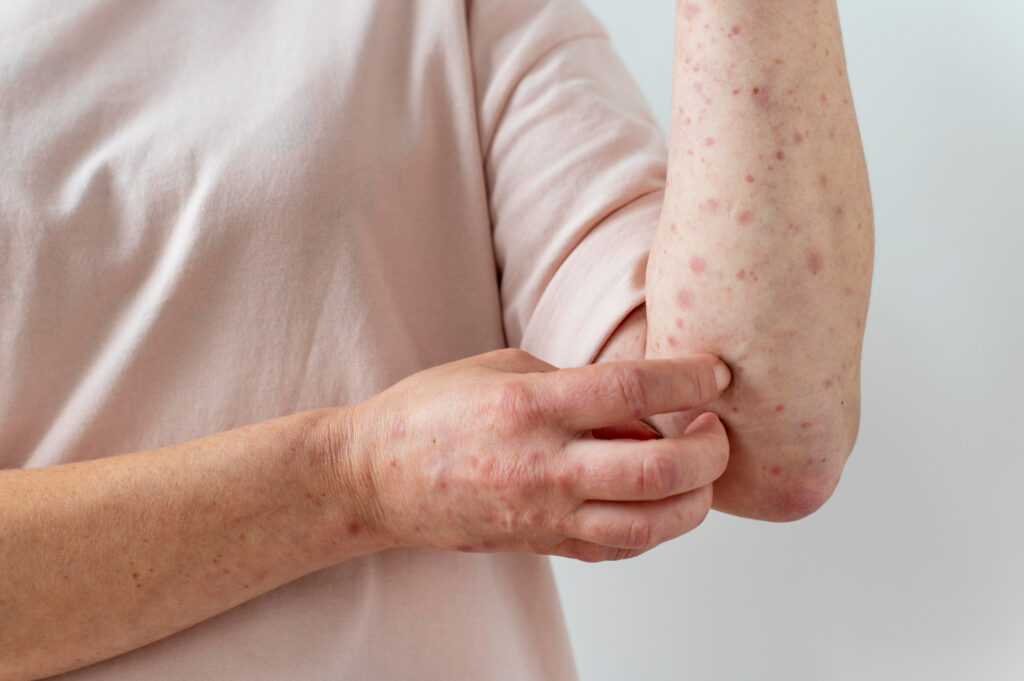
Yes, TEN is the more severe form, because it involves far more of the skin and carries a higher risk of serious complications. According to the National Institutes of Health, the two conditions share one biology and differ mainly in how much skin detaches.
When more than 30% of the skin is affected, the body loses its natural protective barrier over a much larger area. That can lead to fluid loss, infection, and strain on the organs, which is why TEN is considered life-threatening and demands urgent care.
Still, severity is not the whole story. Even so-called milder SJS is a true emergency, and outcomes often depend on how quickly the condition is recognized and the medication behind it is stopped. We never want any family to feel that their case is too small to matter.
Recognizing the Symptoms of SJS and TEN
SJS and TEN usually start with flu-like symptoms, then move to a painful, spreading rash and blistering within a few days. The earliest signs are easy to mistake for a common illness, which is part of what makes these reactions so dangerous.
Fever, sore throat, burning eyes, and body aches often come first. Within days, a red or purplish rash appears and begins to blister, and the top layer of skin can loosen and peel. The mouth, eyes, and other sensitive areas are frequently involved.
Common warning signs include:
- Fever and flu-like symptoms soon after starting a new medication.
- A red or purplish rash that spreads quickly.
- Blisters on the skin or in the mouth, eyes, or genital area.
- Skin that peels or sheds in sheets, like a serious burn.
The moist linings of the body, called mucous membranes, are often affected too, which can make eating, drinking, and even breathing painful. This is one reason the condition can move so quickly from a mild-seeming rash to a true crisis.
If these symptoms appear after taking a medication, doctors treat the situation as an emergency, so getting care quickly can change the outcome.

What Triggers SJS and TEN?
Medications trigger the large majority of SJS and TEN cases, usually within the first few weeks of starting a new drug. Certain drug groups are linked to these reactions more often than others, though a medicine that is safe for most people can still cause harm in a small number of patients.
Understanding what triggers SJS and TEN can help you and your doctors respond faster. Genetics can also play a role, and researchers have found that certain inherited markers raise the risk with specific drugs.
Drug groups commonly associated with SJS and TEN include:
- Certain antibiotics, especially sulfa drugs.
- Anti-seizure medicines such as lamotrigine, carbamazepine, and phenytoin.
- The anti-gout drug allopurinol.
- Some over-the-counter and prescription pain relievers.
Infections can set off the reaction as well, but a medication is the most likely cause, so keeping a record of every drug taken is helpful. If you suspect a drug caused a severe reaction, you can also report it to the FDA through its MedWatch program.
Treatment and the Road to Recovery
Most people with SJS or TEN need hospital care, often in a burn unit or intensive care unit, because the skin injuries resemble severe burns. The first step is usually stopping the medication that may have caused the reaction.
From there, care focuses on comfort and healing. Supportive treatment can include fluids and nutrition, gentle wound care, pain relief, and steps to prevent infection. Eye care is often part of the plan, since the eyes are so frequently involved.
Recovery time varies widely. Some people begin to heal within two to four weeks, while more serious cases can take several months, so patience and steady follow-up care both matter a great deal.
Because the treatment is so intensive, the bills can climb fast. A stay in a hospital burn unit, follow-up visits, and time away from work all add up, and those numbers are often on a family's mind long before anyone thinks about a lawyer.
The Lasting Impact on Survivors

Even after the skin heals, many survivors live with lasting physical and emotional effects that can shape daily life for years. These conditions do not simply end when a hospital stay is over.
Long-term physical effects can include dry or discolored skin, scarring, and changes to the nails or hair. Eye problems, such as dryness, light sensitivity, and vision changes, are also common, and some survivors need ongoing care from more than one kind of doctor.
Everyday tasks that once felt simple can become harder. Sensitivity to light, dry eyes, or tender skin can affect a person's job, hobbies, and independence, and children who survive may need support as they grow. Each of these needs carries a real cost.
The emotional toll is just as real. Research suggests that roughly half of survivors experience anxiety or depression after their diagnosis, and the weight of medical bills and lost income can follow a family for a long time. For many people, the true cost of this experience reaches well beyond the hospital, which is where understanding your legal options becomes important.
Your Legal Options After an SJS or TEN Diagnosis
If a medication caused SJS or TEN, and a drug maker or pharmacy failed to warn about known risks, a legal claim may help recover the resulting costs. Nothing can undo what happened, but the right support can ease the financial pressure while a family focuses on healing.
In our years representing SJS and TEN survivors and their families across the country, we have seen how a single prescription can change everything. From our home in Wilmington, North Carolina, near the banks of the Cape Fear River, we work with clients nationwide, and we treat every case as personal.
A claim in these cases often centers on product liability, which is the legal idea that companies can be held accountable when a product they sell causes harm. Depending on the facts, responsibility may rest with a pharmaceutical company, a drug distributor, or a pharmacy that dispensed the medication.
These cases are not about getting even. They are about justice, and about recovering the resources a survivor needs to heal and move forward. A claim may help account for costs such as:
- Hospital bills and ongoing medical care.
- Lost wages and reduced earning ability.
- Long-term treatment for skin, eye, or other complications.
- The physical pain and emotional strain of the experience.
Every situation is different, so the value of any claim depends on the specific facts, and we are always glad to talk through what an SJS/TEN claim may be worth with you. Your first consultation is free, and there is never a fee unless we win.
When we take a case, we begin by listening. We gather medical records, review the medications involved, and look at what the company knew, and when it knew it. Throughout the process, we handle the paperwork and the pressure, so you can put your energy where it belongs, which is your health and your loved ones.
FAQs about SJS vs. TEN
Below, we answer a few common questions families ask us about SJS vs. TEN and what comes next.
Can a person have both SJS and TEN?
In a sense, yes. When a reaction affects 10% to 30% of the skin, doctors call it SJS/TEN overlap, which sits between the two on the same spectrum. It describes a case that is more serious than typical SJS but has not reached the level of full TEN.
How long after taking a medication does SJS or TEN appear?
Most reactions begin within the first few weeks of starting a new drug, and often within the first eight weeks. Because the early signs look like the flu, the link to a medication is not always obvious right away.
Is SJS or TEN contagious?
No. Neither condition can spread from person to person. Each one is a reaction of a person's own immune system, most often to a medication.
What should I do if I think a medication caused a severe reaction?
Seek medical care right away, and tell the care team about every medication involved. You can also report the reaction to the FDA, and keeping copies of your records can help later if you decide to explore a claim.
How much does it cost to talk to a lawyer about an SJS or TEN case?
At our firm, the first consultation is free, and we handle these cases on a contingency basis. That means you owe no legal fees unless we recover compensation for you.
Is there a time limit to file an SJS or TEN claim?
Yes, and it varies from state to state. These deadlines, known as statutes of limitations, can pass sooner than families expect, so it is wise to ask about your specific situation early.
Do you only represent clients in North Carolina?
No. While our office is in Wilmington, North Carolina, we represent SJS and TEN survivors and their families nationwide.

Talk With a Team That Understands SJS and TEN
You do not have to face the road ahead on your own. If a medication caused SJS or TEN in your life or your family's, we are here to listen, to answer your questions, and to help you understand your options.
Reach out to Greg Jones Law today for a free, no-pressure consultation, and let us help carry some of this weight with you. Call us at (910) 719-9337 to get started.
Schedule a Free Consultation
Greg Jones
Founder
Greg Jones is the founder of Greg Jones Law, P.A. and is licensed to practice law in North Carolina, South Carolina, Georgia and Texas. He has offices in both North Carolina and Puerto Rico often associating with other top trial lawyers across the nation in order to get his clients the best representation possible.
He focuses his practice on plaintiff personal injury litigation involving product liability claims against pharmaceuticals and medical device manufacturers. He is an active member in a number of local, state and national trial lawyers associations and frequently travels to conferences and lectures, where he consults with other attorneys regarding personal injury representation.
Author's Bio